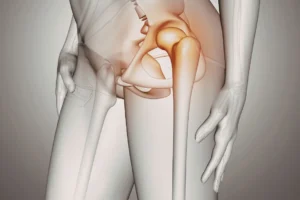
Artritis de cadera. Conoce cómo aliviar el dolor y recuperar tu movilidad con el tratamiento adecuado

Hip Arthritis Treatment: How to Relieve Pain and Regain Your Mobility

Have you found it difficult lately to walk, get out of bed, or does even sitting feel uncomfortable? It is understandable to start wondering what is happening to your body. Many times, these discomforts are attributed to fatigue or the passage of time, but when they become persistent, it is important to pay attention to them. One of the most common causes of these symptoms is hip arthritis, a condition that can progress silently if not addressed in time.
Many people live with these discomforts without knowing exactly what causes them, which delays a timely diagnosis and access to a proper hip arthritis treatment. This article will help you understand what hip arthritis is, what its symptoms are, why it appears, how it evolves, and what hip arthritis treatment options exist today to help you regain your mobility and quality of life.
Having clear information will allow you to make informed decisions and seek guidance from a specialist in time.
What is Hip Arthritis?
The hip de arthritis,which is not the same as Hip Osteoarthritis, is a degenerative disease or part of a systemic condition that affects the hip joint. It occurs when the cartilage covering the ends of the bones progressively wears down, causing friction, pain, and inflammation.
The hip is one of the most important joints in the body, as it supports weight and allows for walking, turning, sitting, and performing practically all daily movements. When this joint is affected, it has a significant impact on your life.
Although it is more common as the years go by, hip arthritis is not exclusive to older people and can appear in young adults for various reasons.
Symptoms of Hip Arthritis
Symptoms may vary from person to person and usually appear gradually. Paying attention to early signs is key to avoiding further deterioration.
Some of the most frequent symptoms include:
- Pain in the groin, thigh, or buttock.
- Stiffness in the hip, particularly in the morning or after sitting.
- Difficulty walking, climbing stairs, or bending over.
- A grinding or clicking sensation when moving the hip.
- Decreased range of motion.
- Pain that worsens with physical activity and improves with rest.
If you identify with several of these symptoms, it is important not to ignore them and seek an evaluation from a Hip Specialist.
What Causes Hip Arthritis?
In most cases, this is the result of various factors that, over time, cause the cartilage to wear down and affect the joint's function. Understanding these causes is essential to understanding why symptoms arise and how they can be properly addressed with the right hip arthritis treatment.
Among the most common causes is natural aging, as cartilage loses its elasticity over the years. However, other factors also play a critical role, such as excess weight, which increases the mechanical load on the hip and accelerates wear.
Additionally, previous injuries such as falls, fractures, or congenital malformations—like hip dysplasia—can trigger the process. Long-term high-impact physical activities, genetic factors, and certain inflammatory diseases like rheumatoid arthritis also contribute to its development. Identifying the specific cause in your case is key to defining the most appropriate treatment plan.
Stages or Phases of Hip Arthritis
The hip de arthritis, is classified into different phases according to the degree of cartilage wear:
Mild Hip Osteoarthritis:
- Occasional pain
- Slight stiffness
- Minimal changes in imaging studies.
Moderate Hip Osteoarthritis:
- More frequent pain
- Limitation of movement
- Difficulty with daily activities.
Advanced Hip Osteoarthritis:
- Constant pain (even at rest)
- Significant loss of mobility
- Joint deformation.
- Major impact on quality of life.
A timely diagnosis by a hip specialist can make a great difference in the progression of the condition.
Exercise and Hip Arthritis: Do’s and Don’ts
Movement is important, but not all exercises are suitable when hip arthritis is present.
Recommended Exercises: Swimming, static cycling, gentle walks on flat surfaces, controlled stretching, and strengthening exercises guided by a specialist. These help maintain mobility, strengthen muscles, and reduce stiffness.
Exercises to Avoid: Running on hard surfaces, jumping, high-impact exercises, sudden movements or excessive weight loading, and contact sports.
Before starting any routine, it is ideal to consult with a professional who knows your specific condition.
Hip Arthritis Treatment
The hip arthritis treatment depends on the degree of progression, symptoms, and your lifestyle. In initial stages, the focus is usually conservative, while advanced phases may require surgical options.
Non-Surgical Treatments
- Medications for pain and inflammation.
- Physical therapy.
- Weight control.
- Activity modification.
- Infiltrations (Injections).
When these options are no longer sufficient and pain limits your daily life, there are specialized procedures that can help you.
Surgical Options for Hip Arthritis
In the care of a highly trained hip specialist, surgeries can offer excellent results; some treatments include:
- Hip Arthroscopy:A minimally invasive procedure that allows for the treatment of specific lesions and improves joint function in selected cases.
- Reemplazo de cadera: Indicated for advanced stages, it consists of replacing the damaged joint with a prosthesis. This allows for the restoration of mobility and a significant reduction in pain.
Every case is unique, so a personalized evaluation is fundamental.
Your Mobility Matters: Do Not Delay Your Specialist Evaluation
Listening to your body is a form of self-care. If you have noticed persistent hip discomfort, difficulty walking, or a constant sense of limitation, do not let it pass. Scheduling a consultation with a hip specialist with extensive experience and thousands of successful surgeries can provide you with a clear diagnosis and a hip arthritis treatment plan designed specifically for you.
Your mobility matters, and addressing it in time can make the difference between adapting to pain or moving again with confidence and peace of mind. The first step is in your hands.

Dr. Raul Lopez Solis
Hip & Knee Surgeon
Professional License: 926463 / Health Ministry Registry (SSA - Mexico): 2204 / Specialty License No.: AESSA-27436
Facebook: Dr Raul López Orhtopedic Surgeon
Instagram: drraullopezs
TikTok: @drraullopezs
Web site: About me
Related posts