Necrosis Avascular de la Cabeza Femoral: Entendiendo el “Infarto” del Hueso
Avascular Necrosis of the Hip (AVN): Understanding the "Bone Heart Attack"

Hip pain is a frequent complaint in orthopedic consultations, often attributed to normal wear and tear or poor posture. However, there is a silent and progressive condition that, if not detected in time, can have devastating consequences for the joint: Avascular Necrosis of the Hip.
Unlike common arthritis, which is a slow degenerative process, this condition is a vascular event. Imagine a heart attack, but instead of occurring in the heart, it happens in the bone.
The blood flow to the femoral head is interrupted, depriving bone cells of oxygen and nutrients. The result is the death of bone tissue and, eventually, the collapse of the hip structure.
In this article, we explain this condition in depth, the risk factors you might be ignoring, and why time is the most critical factor in saving your mobility.
What is Avascular Necrosis of the Hip and why does it happen?
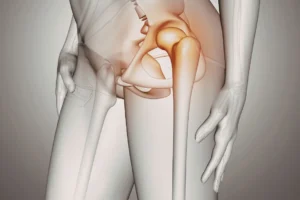
To understand this pathology, we must first visualize the anatomy. The femoral head is a perfect sphere that fits into the acetabulum of the pelvis. To stay healthy and strong, it depends on a network of very fine blood vessels.
Hip Avascular Necrosis occurs when this blood supply is compromised. Without blood, the bone cannot repair itself. At first, the mineral structure remains intact, but the cells die. Over time, microfractures form, and the sphere begins to lose its round shape, flattening out.
When this happens, we talk about "joint collapse," which creates incongruity in the joint, severe pain, and accelerated secondary arthritis.
It is vital to understand that this condition frequently affects young and middle-aged patients (between 30 and 50 years old)—active people who suddenly see their daily life limited.
Warning Symptoms: How to distinguish the pain?
Early diagnosis is the main challenge, as initial symptoms can be subtle. However, there are specific patterns that should raise alarms:
Groin Pain Location
The classic symptom is not back pain or pain on the side of the leg, but in the groin. Many patients describe a deep stab in the groin area that can radiate to the front of the thigh or even down to the knee.
Mechanical and Night Pain
Initially, pain appears when bearing weight, walking long distances, or climbing stairs. As damage to the femoral head progresses, the pain becomes constant, present even when sitting or lying down. A very characteristic sign is night pain that interrupts sleep.
Progressive Stiffness
Over time, you will notice difficulty performing daily movements, such as tying your shoes, crossing your legs, or getting in and out of a car.
Causes and Risk Factors for Osteonecrosis of the Hip
Based on medical literature and clinical experience, we know that Osteonecrosis of the Hip does not just happen randomly. There are clear triggers. The cause might lie in your medical history or lifestyle:
- Corticosteroid Use: Prolonged use or high doses of corticosteroids (common in treatments for asthma, severe allergies, post-COVID sequelae, or autoimmune diseases) is the most common non-traumatic cause. These medications can alter fat metabolism, clogging the small blood vessels of the femur.
- Previous Trauma: A past hip fracture or dislocation may have damaged the blood vessels. Even if the accident was years ago, the disruption of blood flow can manifest as necrosis much later.
- Autoimmune Diseases: Patients diagnosed with conditions like Systemic Lupus Erythematosus or Rheumatoid Arthritis have a higher predisposition, both due to the inflammation from the disease itself and the medications required to control it.
- Alcohol and Tobacco Consumption: Excessive alcohol consumption causes fat deposits in blood vessels and raises cortisol levels, drastically increasing the risk.
Knowing the cause helps define the best treatment and stop its progression.
Timely Diagnosis: What an X-ray doesn't always see
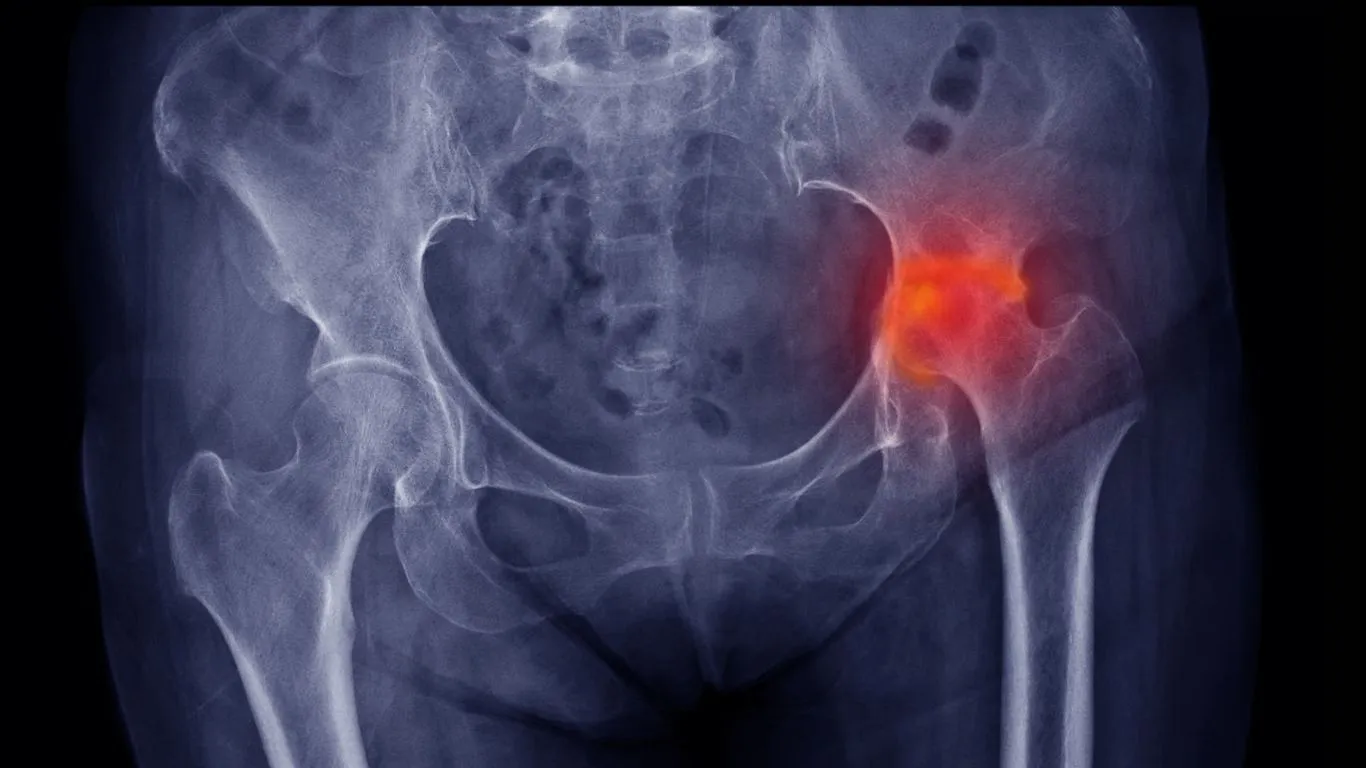
This is where the importance of a specialized evaluation lies. In the early stages of Avascular Necrosis of the Hip, a simple X-ray may look completely normal. The bone has not yet collapsed, and its contour looks fine.
However, the process of cell death is already happening.
If a patient presents with persistent groin pain and risk factors, an MRI (Magnetic Resonance Imaging)is indispensable. This study is the "Gold Standard," as it allows us to see edema (fluid) inside the bone months before it is visible on an X-ray.
Treatment Options for Avascular Necrosis of the Hip
The treatment depends entirely on the stage of the disease (usually classified by Ficat stages).
Procedures to preserve the femoral head
If we manage to diagnose you in early stages (pre-collapse), the goal is to save your own bone.
- Core Decompression: This involves making small perforations in the dead bone to reduce internal pressure, stimulate blood flow, and allow new vessels to form.
- Cell Therapy: In some cases, surgery can be combined with the application of stem cells or bone grafts to boost regeneration.
Joint Replacement (Hip Prosthesis)
If the femoral head has already suffered a collapse, the cartilage is irreversibly damaged. At this point, the ideal solution to regain quality of life and eliminate pain is Total Hip Replacement.
Today, minimally invasive techniques allow for rapid recoveries and excellent functional results.
Don't Wait Until It's Too Late
Hip Avascular Necrosis is a race against time. Every week that passes with undiagnosed pain is valuable time the bone loses. Ignoring groin pain or self-medicating with painkillers only masks the symptom while the bone structure weakens.
Having a diagnosis of necrosis is not the end of your active life; it is the beginning of a plan to recover it.
Looking for an expert assessment for your hip?
f you identify with the symptoms described, have suffered previous sports injuries, or have a history of corticosteroid use, it is time to check that hip in depth.
Timely diagnosis is your best tool.
Schedule a virtual consultation today, nd let’s work together to find the best plan to keep you moving.

Dr. Raul Lopez Solis
Hip & Knee Surgeon
Professional License: 926463 / Health Ministry Registry (SSA - Mexico): 2204 / Specialty License No.: AESSA-27436
Facebook: Dr Raul López Orhtopedic Surgeon
Instagram: drraullopezs
TikTok: @drraullopezs
Web site: About me
Related posts