Conoce cómo aliviar el dolor por artrosis de cadera y recuperar tu movilidad paso a paso
Understanding Hip Arthritis: Causes, Diagnosis, and How to Treat It

Experiencing hip discomfort during daily activities can be worrying. As days go by, this discomfort may become more frequent and start limiting movements that once felt natural.
The Hip Osteoarthritis is a common cause of these symptoms and, in many cases, can progress silently if not addressed in time.
The good news is that you can regain the mobility and quality of life you had before. It is not just about age or normal wear and tear; understanding what happens in your joint is key to preventing the pain from progressing.
Below, we explain the symptoms of this condition, how to slow its progression, and why a timely evaluation can help you improve your hip function and well-being.
What is Hip Osteoarthritis?
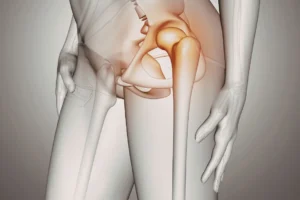
The Hip Osteoarthritis is a degenerative disease that affects the hip joint. It occurs when the cartilage (the tissue that covers the ends of the bones and allows for smooth movement) begins to wear down progressively.
Over time, this wear causes friction between the bones, inflammation, stiffness, and pain. It is not a process that appears overnight; it usually progresses slowly, which causes many people to normalize the discomfort without realizing that something is wrong.
Symptoms of Hip Osteoarthritis
Symptoms can vary from person to person, but the most common ones include:
- Pain in the groin, thigh, or buttock.
- Stiffness, especially when waking up or after sitting for a long time.
- Difficulty walking or a noticeable limp.
- Limitation in movements such as bending over or crossing your legs.
- Clicking or a "grinding" sensation in the hip.
- Pain that worsens with physical activity.
If you identify with any of these symptoms, do not ignore them. Untreated osteoarthritis can progress and significantly affect your independence.
What causes Hip Osteoarthritis?
The Hip Osteoarthritis does not have a single cause. Generally, it is the result of several combined factors, including:
- Age: The risk increases as you get older.
- Excess weight: Which increases the load on the joint.
- Family history (Genetics).
- Previous hip injuries.
- Congenital malformations of the joint (like dysplasia).
- High-impact repetitive activities.
- Natural wear due to excessive use.
Knowing the cause helps define the best treatment and stop its progression.
Grades or Stages of Hip Osteoarthritis
Knowing what stage the joint is in is fundamental to choosing the most appropriate treatment and preventing the condition from progressing.
Grade 1 (Mild)
In this stage, cartilage wear is minimal. Pain is usually occasional and appears mainly after physical activity or prolonged exertion. Mobility is preserved almost completely, so many people do not give importance to the first symptoms.
Grado 2 (moderado)
Here, there is a greater loss of cartilage. Pain becomes more frequent and may be accompanied by stiffness, especially when starting movement after resting. Certain limitations in daily activities begin to be noticed.
Grado 3 (avanzado)
In this grade, the cartilage is considerably deteriorated. Pain is usually constant, and movement limitation is more evident, affecting walking (gait), balance, and quality of life.
Grado 4 (severo)
In the most advanced phase, there is practically no cartilage protecting the joint. Pain can occur even at rest, and mobility is severely limited, significantly interfering with daily activities.
A timely diagnosis with a Hip Specialist can make the difference between conservative treatment and the need for surgical intervention, helping you preserve your mobility for longer.
Exercises allowed with Hip Osteoarthritis
Proper movement is part of the treatment. Doing the right exercises can help you maintain mobility, reduce stiffness, and strengthen the muscles that protect the hip joint.
Among the exercises usually recommended are short walks on flat ground, swimming or water exercises, using a stationary bike, gentle stretching, and glute strengthening, always guided by a health professional.
On the other hand, there are activities that are not recommended, as they can accelerate joint wear and increase pain. These include running long distances, repetitive jumping, high-impact sports, deep squats without supervision, and exercises with excessive load.
It is important to remember that, depending on the grade of osteoarthritis, the exercise plan must be personalized. This way, you can stay active safely and confidently, without the worry of injuring yourself or worsening symptoms.
Treatment for Hip Osteoarthritis: How to stop its progression
Treatment depends on the grade of osteoarthritis, your age, activity level, and symptoms. The main goal is to decrease pain, improve mobility, and slow progression.
Some conservative treatments are:
- Weight control.
- Anti-inflammatory medications.
- Specialized Physical Therapy.
- Changes in daily activity.
- Joint injections (Infiltrations).
Surgical Treatments
When conservative treatment is no longer enough to relieve pain or improve mobility, there are surgical options that can make a major difference in the patient's quality of life. The choice of procedure will depend on the grade of osteoarthritis, the symptoms, and the impact the condition has on daily activities.
One of these alternatives is hip arthroscopy, a minimally invasive technique that allows treating certain causes of pain, correcting alterations inside the joint, and improving function in specific stages of osteoarthritis. Being performed through small incisions, it usually favors a faster and less painful recovery.
In more advanced cases, when wear is severe and pain significantly limits daily life, Total Hip Replacement may be the best alternative. This procedure seeks to eliminate pain permanently and allow the patient to recover mobility, stability, and confidence when moving.
Recovering your mobility is possible!
Hip osteoarthritis does not have to define how you live or limit every one of your movements. Addressing it on time can make the difference between adapting to pain or moving again with confidence and peace of mind.
The good news is that there are effective treatments and personalized options that can help you relieve pain and regain safety when moving.
Do not postpone a decision that directly impacts your quality of life.
Schedule a valuation consultation with a highly qualified hip specialist, with extensive experience and thousands of successful surgeries. Taking this step today can be the beginning of a life with less pain and more movement.

Dr. Raul Lopez Solis
Hip & Knee Surgeon
Professional License: 926463 / Health Ministry Registry (SSA - Mexico): 2204 / Specialty License No.: AESSA-27436
Facebook: Dr Raul López Orhtopedic Surgeon
Instagram: drraullopezs
TikTok: @drraullopezs
Web site: About me
Related posts